SAFEGUARDING ALL LIVES - SAPRAN
CONTACT US
SEARCH
ENGLISH
বাংলা
DONATE NOW
ABOUT US
Our Story
Our Team
WHAT WE DO
PUBLICATIONS
Policy Briefs
Working Papers
Insights
Reports
Analysis & Commentary
Research Papers
Lives
NEWS
ANALYSIS & COMMENTARY
HUMAN RIGHTS TRACKER
GET INVOLVED
ABOUT US
Our Story
Our Team
WHAT WE DO
PUBLICATIONS
Policy Briefs
Working Papers
Insights
Reports
Analysis & Commentary
Research Papers
Lives
NEWS
ANALYSIS & COMMENTARY
HUMAN RIGHTS TRACKER
GET INVOLVED
Quick Links
Our Team
Privacy Policy
Career
Terms & Conditions
Gallery
Contact Us
+880 1326-875839
contact@sapran.org
Borak Unique Heights, Eskaton Garden, 117 Kazi Nazrul Islam Ave, Dhaka 1217
What We Do
Home
|
What We Do
Through our detailed research and determined campaigning, we help fight abuses of human rights worldwide. We bring torturers to justice. Change oppressive laws. And free people jailed just for voicing their opinion.
Issues
We
Work
On
Border Violence
Child Rights
Custodial Torture And Detention
Death Penalty
Disability Rights And Accessibility
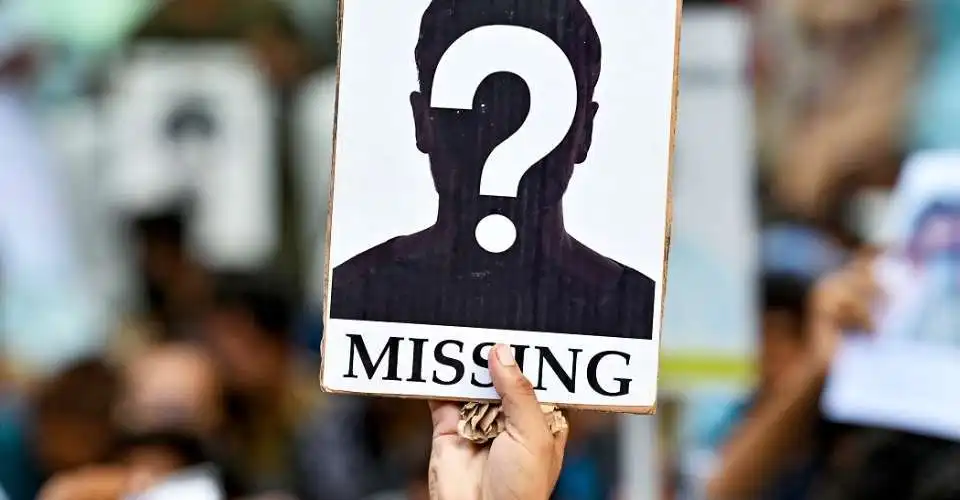
Enforced Disappearances
Extrajudicial Killings
Freedom Of Expression And Assembly
Indigenous Communities
Labour Rights
Lethal And Non Lethal Weapons
Online And Digital Violence
Police Violence And Use Of Force
Prisoners Rights
Protest Rights
Refugees And Migrant Rights
Security Sector Reform
Senior Citizens Rights
Womens Rights
Digital Security Governance
Lethal Arms Procurement Transparency
Transitional Justice
Victim Rehabilitation And Compensation
Animal Welfare
Biodiversity And Ecosystem Conservation
Blue Economy Justice
Climate Displacement And Migration
Environmental Crime
Gender And Climate Justice
Human Wildlife Conflict
Just And Equitable Energy Transition
Light Pollution
Salinity And Land Degradation
Sound Pollution
Online And Digital Violence
Police Violence And Use Of Force
Prisoners Rights
Protest Rights
Refugees And Migrant Rights
Security Sector Reform
Senior Citizens Rights
Womens Rights
Digital Security Governance
Lethal Arms Procurement Transparency
Transitional Justice
Victim Rehabilitation And Compensation
Animal Welfare
Biodiversity And Ecosystem Conservation
Blue Economy Justice
Climate Displacement And Migration
Environmental Crime
Gender And Climate Justice
Human Wildlife Conflict
Just And Equitable Energy Transition
Light Pollution
Salinity And Land Degradation
Sound Pollution
Our Projects
Deadly in Disguise: The Hidden Lethality of Pellet Guns During the 2024 Uprising
Beyond the Barbed Wire: Violence, Push-ins, and Accountability at the Bangladesh-India Border
Enforced Disappearance in Bangladesh: Truth, Memory, and Accountability
See More