Our Projects
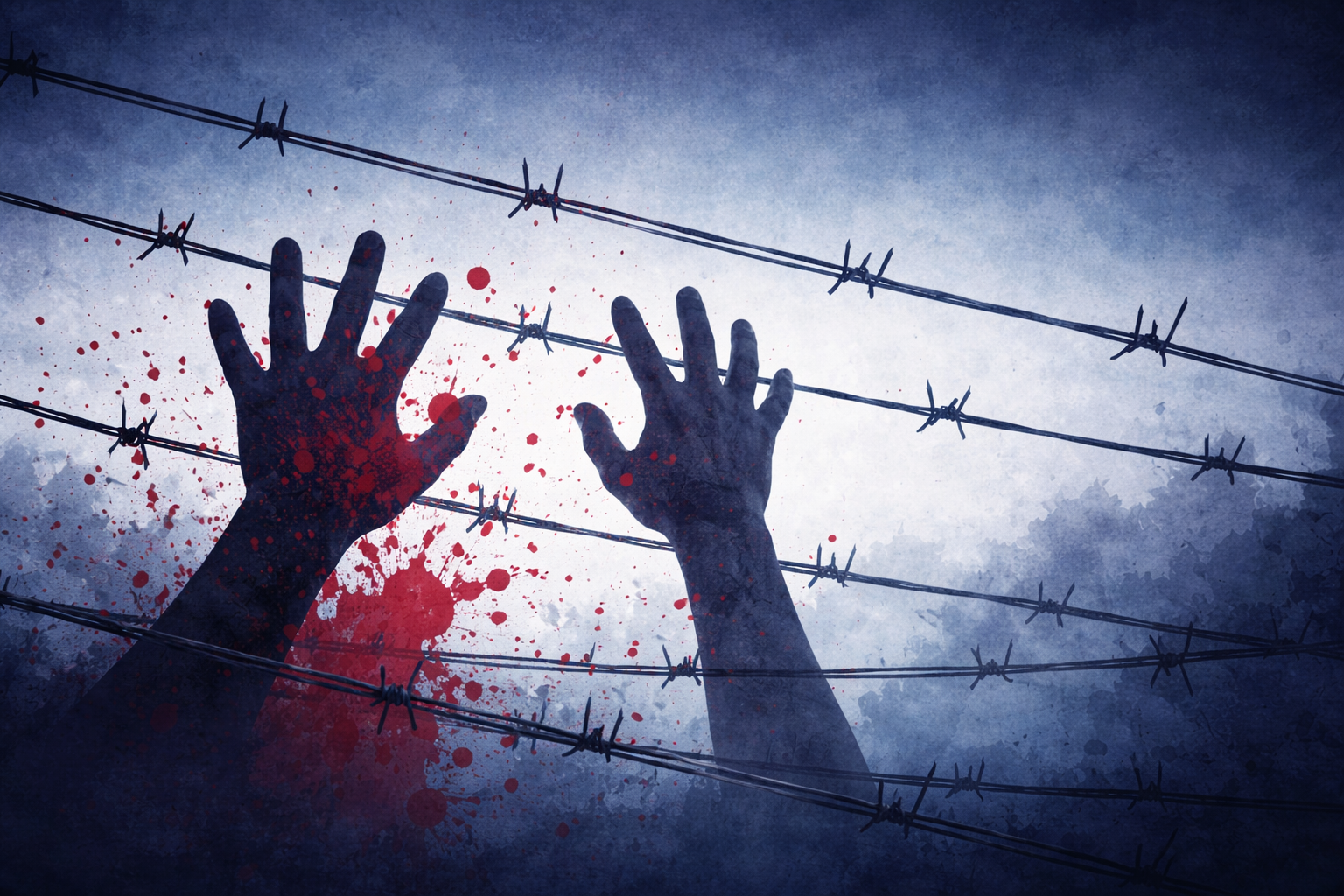
Beyond the Barbed Wire: Violence, Push-ins, and Accountability at the Bangladesh-India Border
This project explored the ongoing humanitarian crisis along the Bangladesh–India border, focusing on patterns of violence, forced push-ins, and deep-seated impunity. As part of its research output, Sapran penned a position paper titled, “Bare Lives Across the Border: Collective Suffering and Culture of Impunity in the Bangladesh–India Frontier.” The paper argued that the border operates as a necropolitical regime, where certain lives are rendered disposable through practices such as extrajudicial killings, torture, enforced disappearances, and unlawful expulsions. Moving beyond a security-centric lens, it highlighted how these violations are structurally embedded and sustained by a culture of impunity, while emphasizing the need for a human dignity-centered approach grounded in the lived realities of border communities. It further identifies critical legal and diplomatic gaps and advances concrete recommendations for rights-based policy reform and cross-border accountability. Complementing this research, Sapran conducted its advocacy work by organizing a panel discussion titled, “Beyond the Barbed Wire: Understanding Violence, Push-ins, and Accountability at the Bangladesh–India Border,” held on 8 January, 2026 in Dhaka’s Bishwa Sahitto Kendra. Drawing on both historical and recent developments, including the enduring significance of the killing of Felani Khatun and the sharp rise in unlawful push-ins, the discussion brought together researchers, activists, and policy thinkers to examine the structural drivers of border violence. The discussion highlighted the humanitarian consequences of current border practices, including trauma, displacement, and loss of dignity, while critically engaging with the limitations of existing accountability mechanisms. By connecting research, memory, and policy dialogue, this project emphasized that border violence is not just an isolated political issue but also an urgent human rights crisis. Through this project Sapran calls for immediate, coordinated action that places human dignity, legal accountability, and protection at the center of border governance.
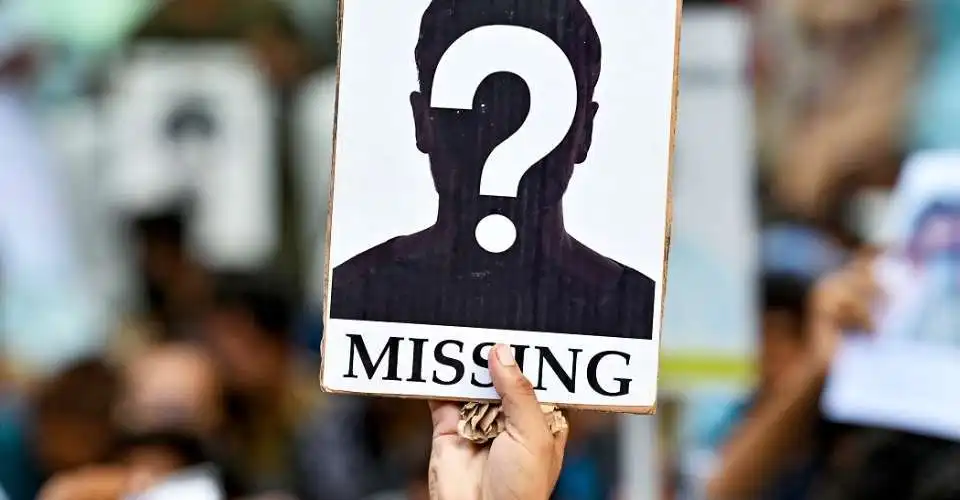
Enforced Disappearance in Bangladesh: Truth, Memory, and Accountability
This project examines enforced disappearances in Bangladesh through a combination of research and advocacy. Its research output includes human rights reports, position papers, policy briefs, working papers, and op-eds/articles published across platforms, documenting patterns of abuse, centering victims’ testimonies, and contributing to debates on accountability and justice.
See More
News & Events

17 June 2026
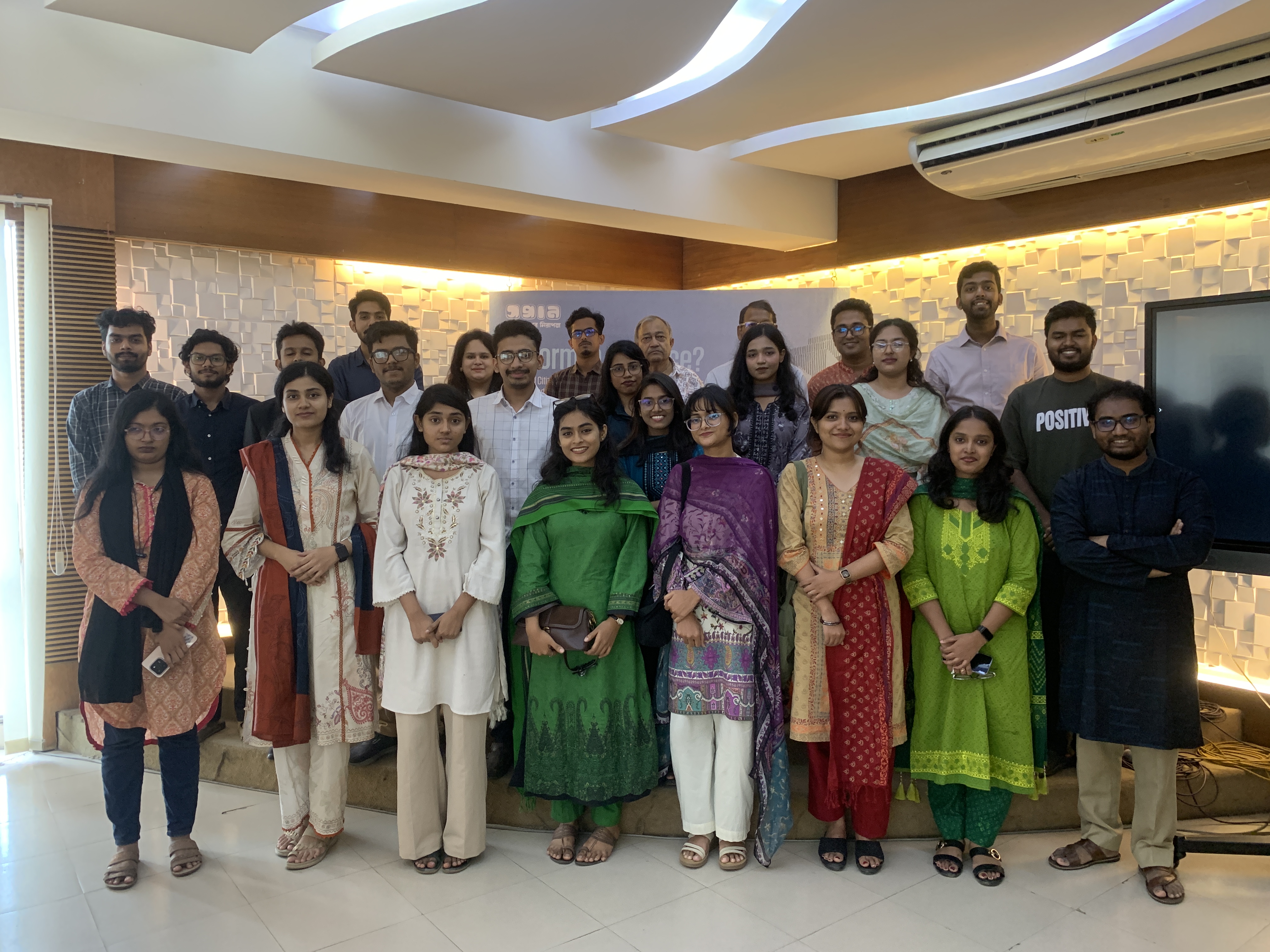
Roundtable Discussion on Police Reform in Bangladesh: Challenges, Possibilities, and Future Pathways

04 June 2026
Deep Concern over the Structural Erosion and Weakening of the Proposed National Human Rights Commission Act and Enforced Disappearance Prevention and Remedy Act, 2026

04 June 2026
𝐂𝐨𝐧𝐝𝐞𝐦𝐧𝐢𝐧𝐠 𝐭𝐡𝐞 𝐑𝐞𝐜𝐞𝐧𝐭 𝐒𝐮𝐫𝐠𝐞 𝐨𝐟 𝐕𝐢𝐨𝐥𝐞𝐧𝐜𝐞 𝐀𝐠𝐚𝐢𝐧𝐬𝐭 𝐖𝐨𝐦𝐞𝐧 𝐚𝐧𝐝 𝐂𝐡𝐢𝐥𝐝𝐫𝐞𝐧 𝐢𝐧 𝐁𝐚𝐧𝐠𝐥𝐚𝐝𝐞𝐬𝐡 𝐚𝐧𝐝 𝐂𝐚𝐥𝐥𝐢𝐧𝐠 𝐟𝐨𝐫 𝐒𝐭𝐫𝐨𝐧𝐠 𝐒𝐭𝐚𝐭𝐞 𝐀𝐜𝐭𝐢𝐨𝐧 𝐚𝐧𝐝 𝐚 𝐁𝐫𝐨𝐚𝐝𝐞𝐫 𝐒𝐨𝐜𝐢𝐚𝐥 𝐌𝐨𝐯𝐞𝐦𝐞𝐧𝐭
See More
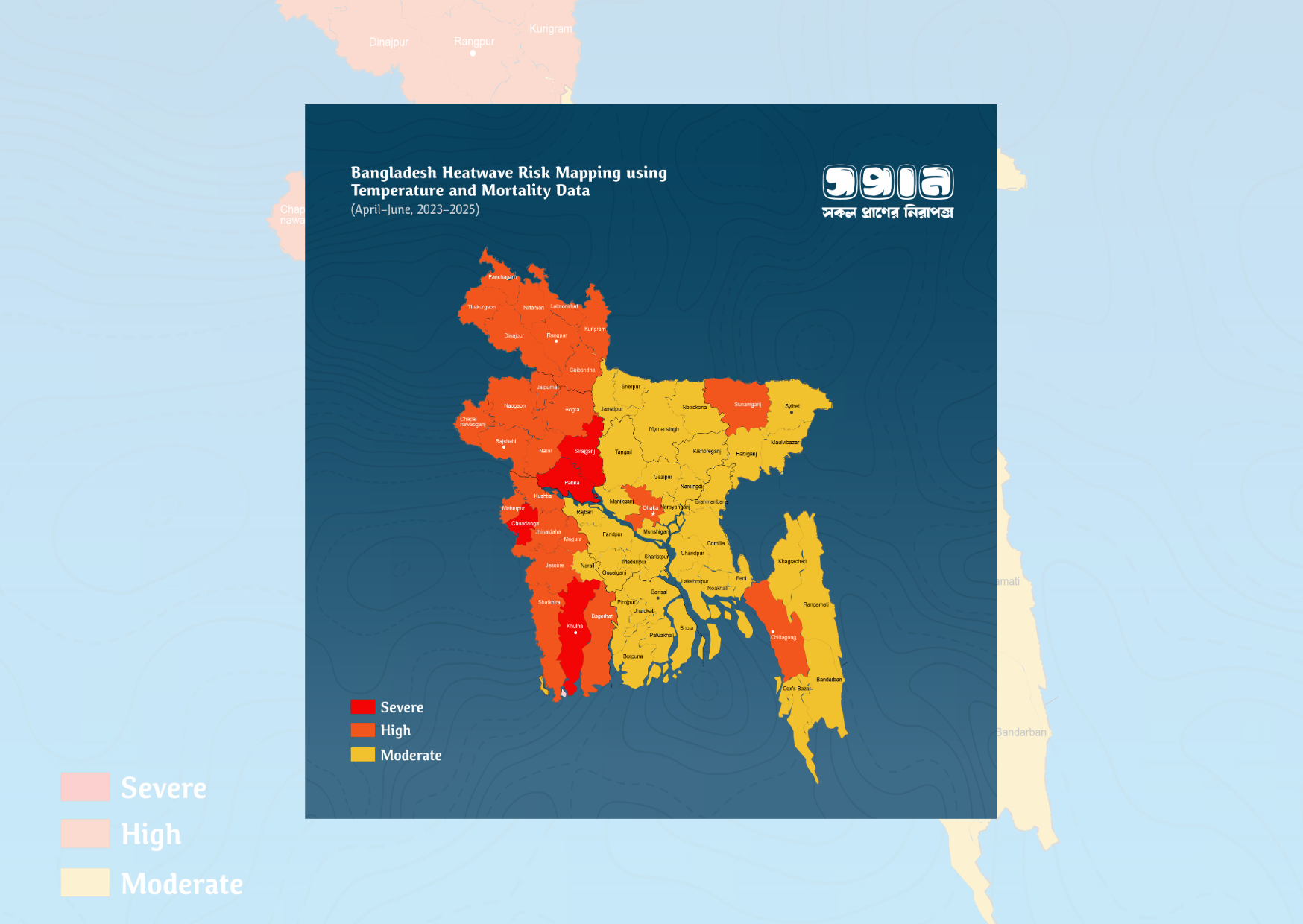
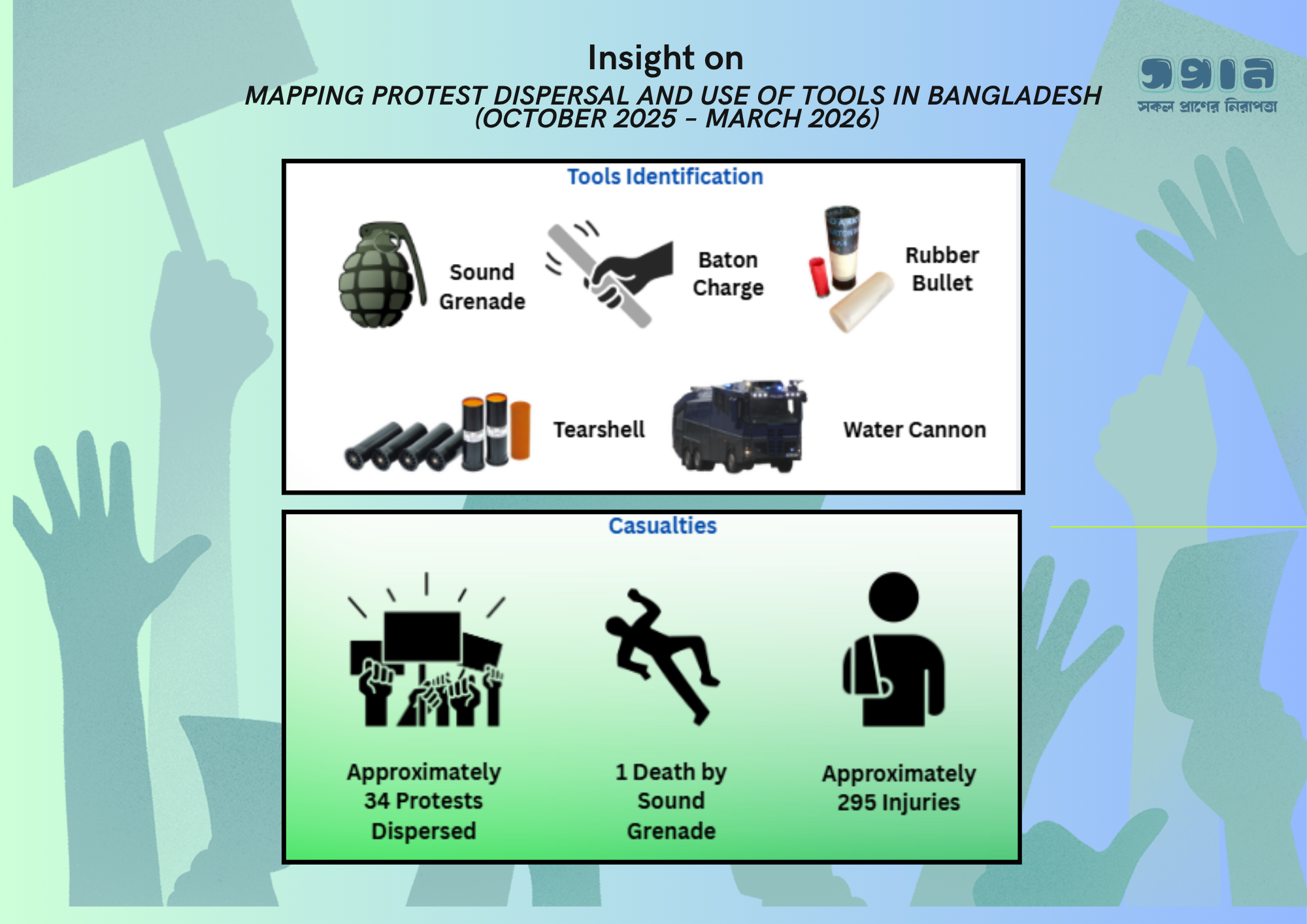
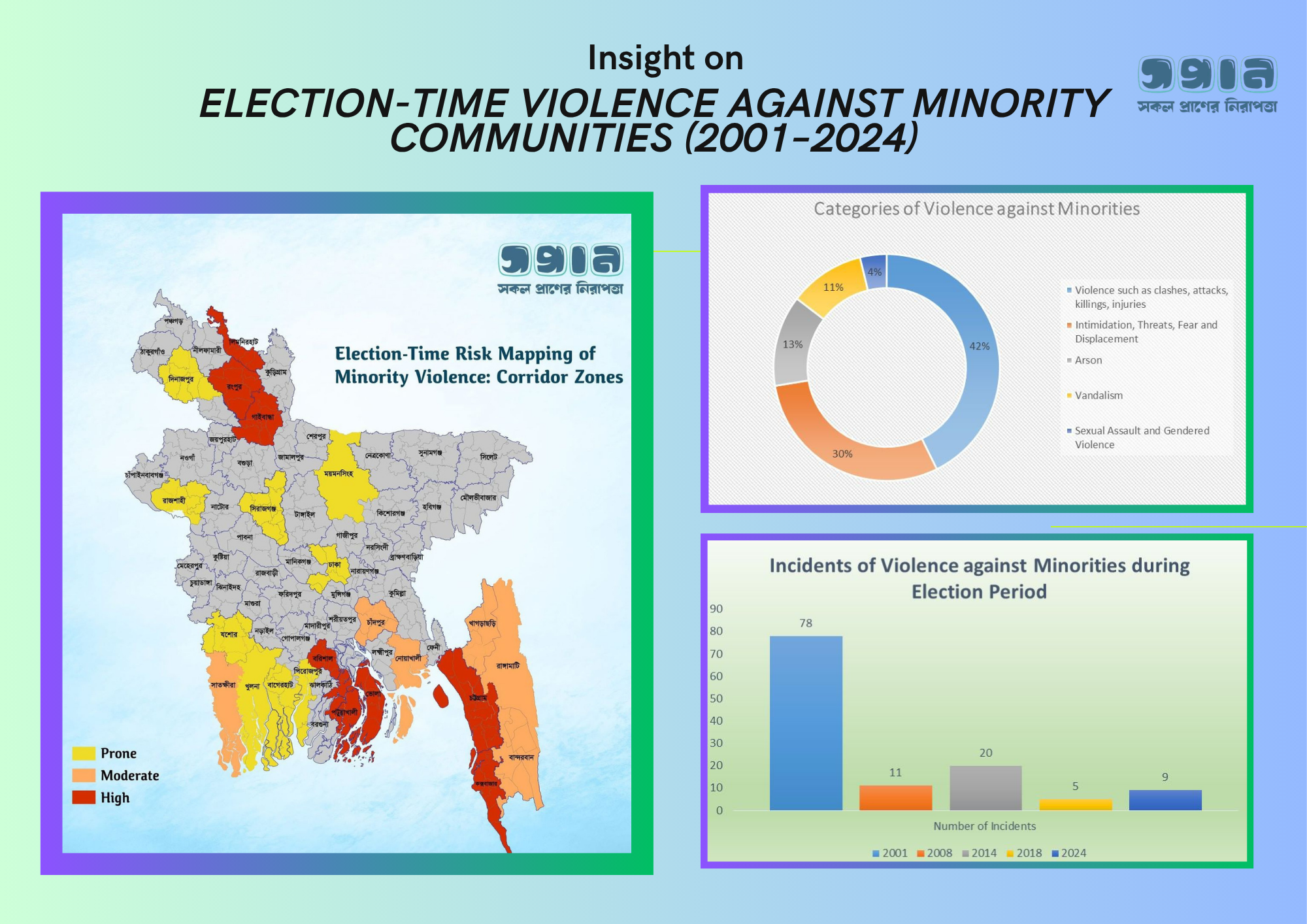
Insights
See More
See More
SAPRAN Lives
31 May 2026
The March–April 2026 issue of Lives, SAPRAN’s bi-monthly newsletter, highlights ongoing efforts in human rights advocacy, research, and documentation in Bangladesh. The issue features engagements on torture prevention, police reform, democratic accountability, and community rights, as well as research on political violence and social justice. It also showcases recent publications, training initiatives, and collaborative efforts aimed at strengthening documentation practices, institutional reform, and rights-based advocacy. Through these activities, Lives reflects SAPRAN’s continued commitment to human rights, justice, and democratic values in Bangladesh.
Read More